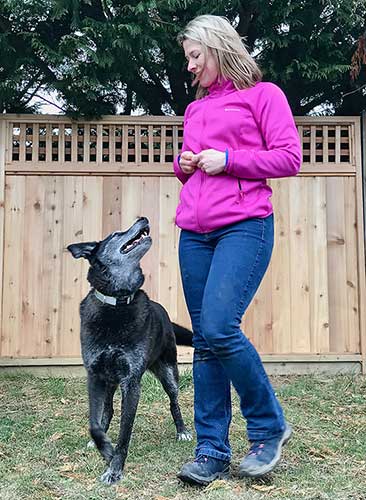

“I’m a cat person. My 10-year-old daughter is begging for a dog — potentially a service dog. My former partner lives three hours away by plane, and my daughter believes she’ll be able to take the dog with her when she visits her father. I’m overwhelmed and don’t know where to begin.”

Feeling overwhelmed? We can help.
If that sounds familiar, take a deep breath. You’re not alone — and you’re right to pause before jumping in.
Bringing any dog into a family requires planning. Bringing home a dog with the hope that they’ll eventually work as a service animal requires even more careful thought, realistic expectations, and long-term commitment.
Let’s break this down.
What Qualifies a Dog as a Service Animal?
To be considered a service animal under U.S. law, a dog must:
-
Assist a person with a recognized disability, and
-
Be trained to perform specific tasks that directly mitigate that disability
Emotional comfort alone does not qualify a dog as a service animal. It’s also important to note that no one has the right to demand details about a person’s disability — but the dog’s training and function matter.
Unfortunately, when pets are passed off as service dogs, it creates real problems for individuals who rely on legitimately trained service animals. This makes thoughtful, ethical decision-making especially important from the very start.
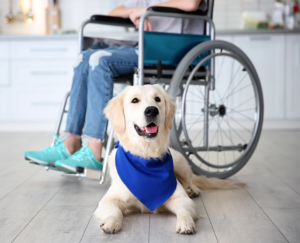 The Most Important Question to Ask First
Before thinking about breeds, puppies, or logistics, ask this:
What specific task would the dog need to perform?
That answer shapes nearly every other decision, including:
-
Size and structure (mobility support requires a sturdier build)
-
Natural tendencies (retrievers are often well-suited for carrying or retrieving items)
-
Training approach (owner-trained vs. professional support)
-
Lifestyle compatibility
Without clarity here, it’s impossible to choose the right dog — or to know whether a service dog is even the appropriate solution.
Family Considerations Still Matter
Even if a service role is the long-term goal, this dog will first and foremost be a family dog. Ask yourselves:
-
What activities do we realistically want to do with a dog?
-
Where will the dog spend their days?
-
Who will be responsible for daily care, exercise, and training?
-
What temperament best suits our household — calm, confident, cuddly, quiet?
-
Do we have the time and financial resources for training and care?
-
Are there other pets, allergies, or fears to consider?
-
Are we ready for a 10–15 year commitment?
Honest answers help narrow down the right age, temperament, and source for your future dog.
Puppies, Breeders, and Reality Checks
Puppies are adorable — and wildly unpredictable.
At eight weeks old, even experienced professionals can’t guarantee a puppy’s future temperament or working ability. Puppies require immense time, consistency, and patience. Choosing a dog based on a cute photo or hopeful assumptions is rarely a recipe for success.
If you explore a breeder, do your homework. A responsible breeder:
-
Produces limited litters
-
Conducts extensive health testing
-
Prioritizes early socialization
-
Asks you as many questions as you ask them
-
Views breeding as improving the breed, not producing puppies for profit
Be aware of differences between working-line and show-line dogs. For example, a working-line Labrador is often leaner, more intense, and far less inclined to relax on the couch than their show-line counterpart. AKC registration alone does notguarantee quality — some puppy farms hide behind paperwork.

An adopted dog from a rescue or shelter can be a great service dog.
Don’t Overlook Rescue and Rehoming
Excellent service dog prospects aren’t limited to breeders.
Many shelters and breed-specific rescues conduct thoughtful evaluations and matching processes. Some adult dogs — with known temperaments and energy levels — can be better candidates than puppies. The key is clarity about what you’re looking for and patience during the search.
Take Your Time — This Is Not a Rush Decision
Choosing the right dog, especially one who may one day work as a service animal, is not something to rush.
Once the right dog comes home, the real work begins. The experiences, training, and structure you provide in those first weeks and months matter enormously — and can set the trajectory for the dog’s entire future.
And yes… that’s a topic for another post.
Not Sure Where to Begin?
Service dogs aren’t just “well-behaved pets” — they require careful planning, realistic expectations, and the right match. At Mountainside Mutts, we support families in thinking through big decisions like this before a dog comes home.
If you’re feeling overwhelmed, you don’t have to figure it out alone.
👉 Learn more about our service dog training program or book a consultation at mountainsidemutts.com